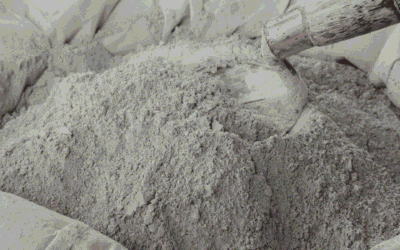
Elements Newsletter published an infographic of all metals mined from the earth in 2019, and the numbers were staggering. 3,248,814,334 tons of metal were mined, of which 3,040,000,000 tons were iron ore. Nearly 94% of all of the metal mined in 2019 was iron, and nearly that percent of the iron has been, in some way, touched by LECO.
LECO started in 1936 with a rapid carbon determinator for the American steel industry. Prior to this instrument, a “wet” chemistry analysis was used in steel foundries to determine the carbon levels in the steel they were producing: too much carbon would make the steel brittle, while not enough would make it weak. It was essential to monitor the carbon levels accurately to maintain the quality of their products. However, this “wet” method took upwards of 20 minutes for a single test.
The first LECO carbon determinator cut that time by more than half, doubling laboratory throughput overnight. It was not long before LECO’s carbon determinators were familiar sights in steel mills across the country, and they soon started to spread internationally. Today, most steel laboratories use our instruments to determine the quality of the materials they analyze.
 LECO’s early strength in elemental analysis hasn’t faded over the years. Our latest generation of carbon determinators, such as the CS744 and CS844, remain industry-leading workhorses that cut analysis time and improve throughput with intuitive Cornerstone brand software and innovative automation. Glow discharge spectrometers such as the GDS900 are able to analyze carbon in qualitative depth profiles. And our start-to-finish metallography solutions are perfect for hardness testing and microscopic analysis of metals.
Three billion tons of iron is a lot, but LECO can easily handle the load.
For a more detailed look at how LECO instruments handle iron and steel, there are a wide variety of application notes in our Document Library.