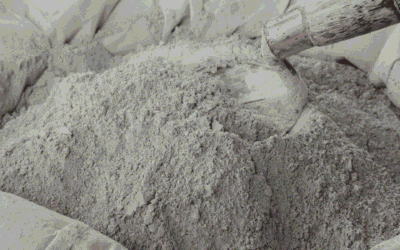
TOC, short for Total Organic Carbon, is an important metric when analyzing soil health. Soils with high TOC content indicate high levels of biodiversity, as organic carbon fuels microbial activity. This enhanced biodiversity is incredibly beneficial to the soil. It boosts nutrient cycling and natural disease suppression, while also contributing to overall soil fertility and plant productivity.
Soil biodiversity also leads to better water retention. Organic carbon binds soil particles together to make stable aggregates, which improves the overall soil structure and allows it to retain more water. This feat encourages overall plant health and the sequestration of carbon. Soils with low TOC content, however, experience limited biodiversity, leading to poor soil structure, greater amounts of erosion, and reduced crop yields.
The Challenges of Determining TOC
It’s important for stakeholders in the agriculture industry to pay special attention to the TOC levels in their soils if they want to get the most out of their crops. Knowing TOC levels helps to avoid blind addition of nutrients to soil, potentially cutting out unnecessary labor and costs. However, analyzing soil for TOC does come with its own set of challenges.
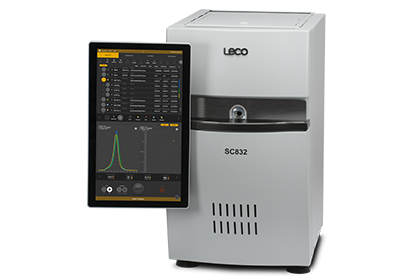
For example, accurately distinguishing between organic and inorganic carbon requires effective separation of carbon species during analysis. LECO’s RC612 addresses this challenge through its temperature differentiation method, precisely controlling oxidation and decomposition conditions to selectively quantify carbon fractions. Alternatively, the C832’s acid pretreatment method ensures reliable removal of inorganic carbon prior to combustion for accurate measurement of organic carbon.
These approaches help mitigate common challenges such as incomplete carbonate removal, sample heterogeneity, or incomplete oxidation. While careful sample preparation remains important, leveraging instruments specifically designed to manage these variables is key to achieving precise, repeatable TOC results.
Trust LECO with Your TOC
Researchers and engineers at LECO have worked hard to continuously provide instrumentation that meets or exceeds expected performance. With a line of carbon analyzers that are suitable for TOC and more, you can trust LECO with your results, and you can count on our superior service when your lab needs it. But don’t take our word for it—read and then click on the quotes below to discover what three different labs in countries across Europe had to say about their LECO instruments for TOC analysis:
“We have been using these instruments since 2009, and every time they release a new version, we are impressed. They are very robust instruments, with very simple daily maintenance; they are built to work. Analysis times are very short, and their robustness, accuracy, repeatability, and precision are excellent. In short, they are instruments designed to work—the more we use them, the better they perform.”
Paco San Nicolás,
Head of the Ionomics Service at The Center for Soil Science and Applied Biology of Segura (CEBAS-CSIC), Murcia, Spain
CEBAS-CSIC is a leading research center in Spain, critical for advancing sustainable soil and water management.
Read the entire interview with Paco.
“…This allows us to determine the organic carbon content. In this way, we obtain both mineral and organic carbon values (TC/TOC/TIC).”
“What was less common was applying a similar approach to sulfur. Existing standards dealing with sulfur mainly focus on coal but not soils. So, we combined and adapted different standards to develop a methodology suitable for soils and other geomaterials containing sulfur/sulfate species, and we now transferred this method to professional applications.”
Myriam Duc, Researcher, and François Lansac, Engineering Assistant
Université Gustave Eiffel, France
Myriam Duc is known for her work regarding clay behavior, soil stabilization, and sustainable construction materials. Université Gustave Eiffel is both a university and a major research organization with a primary focus on sustainable urban development.
“They (LECO instruments, including the RC612, CHN828, and AC600) are an essential part of our analysis work. We don’t use them every day, but we rely on them regularly and they are very important for our daily work. Reliability is an important feature here.”
Maria Lehtinen, Lab Manager
Kuusakoski’s Research Center, Lahti, Finland
Kuusakoski’s Research Centre focuses on advancing recycling technology and material recovery. Their mission is to restore value to waste and recover precious metals from waste more efficiently.
Read the entire interview with Maria.
Learn More About TOC Analysis with LECO
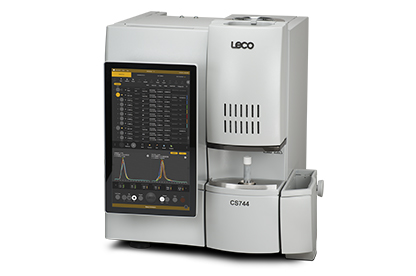
If you’re interested in learning more about what LECO has to offer for analyzing soil for TOC and more, you can review related application notes by visiting our Soil Analysis Resource Hub. You can also explore our related instruments, including the SC832, the CS744, the TGM800, and more. If you’d like to hear more about these instruments and how they perform when using standardized methods, you can register for our upcoming webinar, “TOC Determination in Soil and Waste”. Discover why LECO is a trusted partner for TOC analyses and get results you can rely on.