 With the recent explosion of the electric vehicle industry, lithium iron phosphate (LFP) batteries are in seriously high demand. Although they are not the only batteries that can power an EV, they are some of the safest, longest lasting, and most durable out there, making them a popular choice amongst manufacturers.
These LFP batteries are named as such because the cathode (the part of the battery that transfers ions to create energy) consists of LFP powder. The powdered material has a crystalline structure that is excellent for efficient diffusion of lithium ions, making LFP batteries efficient themselves. However, not all lithium iron phosphate batteries are created equal.
The amount of Carbon that is within the cathode can greatly affect the overall performance of the battery. LFP that comes into contact with higher amounts of Carbon will have better conductivity and smoother ion transfers, helping the battery to run effectively and experience less wear. The amount of Sulfur can also play a role in the effectiveness of the battery, specifically regarding its lifetime. The presence of LFP helps boost Sulfur utilization within the battery, leading to a battery that can continue to perform for a longer period of time.
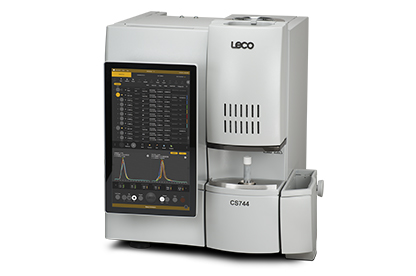
LFP batteries are indeed a hot item for EV manufacturers, but certain batteries, as with many things, are built better than others. Manufacturers of the batteries should monitor the levels of Carbon and Sulfur to ensure that they are performing at their peak level. LECO’s line of elemental analyzers includes instruments that can determine levels of Carbon and Sulfur simultaneously, the CS744 and the CS844. Utilizing the method of combustion analysis, the amount of Carbon and Sulfur within a sample can be rapidly determined. To see more details about the CS744, CS844, and other LECO instruments, visit our website.
You can also learn more about this topic by reading our application note. Fill out the form below for access.